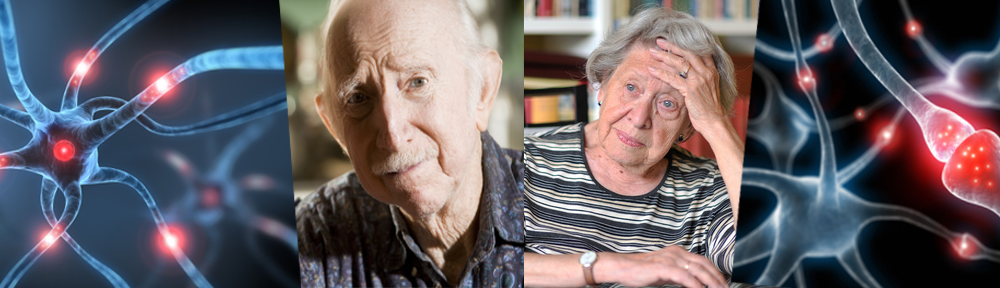
Biological Signal Behind Mysterious Alzheimer’s Drug Side Effect
Scientists at the University of Kentucky have uncovered a biological signal that may help explain one of the most concerning side effects tied to new Alzheimer’s treatments. Their findings suggest that a simple blood test could one day identify which patients are more likely to develop complications before therapy even begins.
Read it all HERE
legislation detecting and preventing Alzheimer’s
House Reps. Paul Tonko (D-N.Y.) and Vern Buchanan (R-Fla.), co-sponsors of the Alzheimer’s Screening and Prevention (ASAP) Act, said Thursday that proactively addressing Alzheimer’s disease is “too expensive” of an issue for Congress to ignore.
Appearing on Thursday at The Hill’s “Getting a Diagnosis ASAP: Progress in Early Alzheimer’s Detection” event, sponsored by the Alliance for Aging Research, the two congressmen discussed why their bill, the ASAP Act, is crucial.
Read it HERE
The subtle signs of Alzheimer’s disease everyone should be aware of
For many older adults, life is full of routines. Making breakfast, paying bills, shopping, driving, managing appointments and keeping track of medications are tasks done almost automatically. For most, these routines run smoothly, but for some, small disruptions begin to creep in.
These small struggles matter. Perhaps it starts with uncharacteristically forgetting to add an item to the grocery list or misplacing a pair of glasses. Maybe a chequebook gets mismanaged, or a favourite recipe becomes harder to follow.
These moments can be brushed off as part of aging or blamed on a busy mind. Yet, when these new difficulties persist over time, they may be more than just minor frustrations; they might be early signs of something far deeper.
Read more HERE
When everyday tasks become harder: Early clues to Alzheimer’s disease
For many older adults, life is full of routines. Making breakfast, paying bills, shopping, driving, managing appointments and keeping track of medications are tasks done almost automatically. For most, these routines run smoothly, but for some, small disruptions begin to creep in.
These small struggles matter. Perhaps it starts with uncharacteristically forgetting to add an item to the grocery list or misplacing a pair of glasses. Maybe a chequebook gets mismanaged, or a favourite recipe becomes harder to follow.
Read more HERE
Legislation to Bolster Primary Care Training on Dementia Detection and Treatment
U.S. Senators Shelley Moore Capito (R-W.Va.) and Amy Klobuchar (D-Minn.) reintroduced bipartisan legislation to bolster training for primary care providers so they can better diagnose Alzheimer’s and other dementia and deliver high-quality, person-centered care in community-based settings.
Read about it HERE