Early detection

Alzheimer; News from the web:

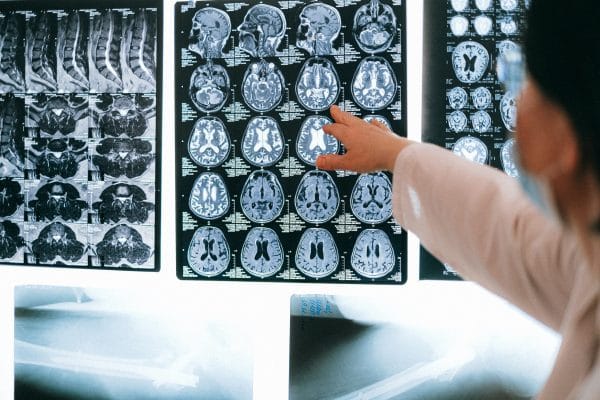
There may not be a cure yet for Alzheimer’s disease but now there is a faster way to get an early diagnosis.

Neurosciences Medical Clinic now provides a NEW service that allows for the early detection of Alzheimer’s Disease.  Science allows us to combine a series of physical, memory, imaging and genetic testing in order to determine if someone has Alzheimer’s Disease in order to prepare for what is to come later on in life.

Please Contact Neurosciences Medical Clinic at 786-600-7004 in order to learn more or follow their social media pages @NeurosciencesMedicalClinic or click on their webpage: Neurosciencesclinics.com. The clinic provides free initial screening.

Read all about it HERE

Early and remote detection is key

Alzheimer; News from the web:

Within a few years, doctors will be able to remotely evaluate patients for their risk of developing Alzheimer’s diseaseParkinson’s disease and frontotemporal dementia — without having to hook them up to expensive, cumbersome machines generally found only in hospitals. That’s the vision of Israeli entrepreneur Nathan Intrator, CEO of Neurosteer. “Millions of people suffer from neurodegenerative diseases, and as life expectancy goes up, that number will only increase,” 

Read all about it HERE

A new blood test that could change things

Alzheimer; News from the web:

A simple blood test may soon be able to diagnose patients with two common forms of dementia – Alzheimer’s disease and frontotemporal dementia (FTD) – and tell the two apart.

Researchers at UC San Francisco analyzed the blood test in more than 300 patients and say they hope to see such a test available in doctor’s offices within five years.

Read all about it HERE

They may change before you have a dianosis

Alzheimer; News from the web:

When it comes to Alzheimer’s, what happens first: beta amyloid plaques, or the visible personality and cognitive changes common with the disease? Researchers have long believed that amyloid drives neurodegeneration in the brain. But it’s possible that subtle changes in a person’s thinking abilities may actually precede the development of beta-amyloid protein, providing more clues to the complexity of the disease, according to a new study.

Read all about it HERE