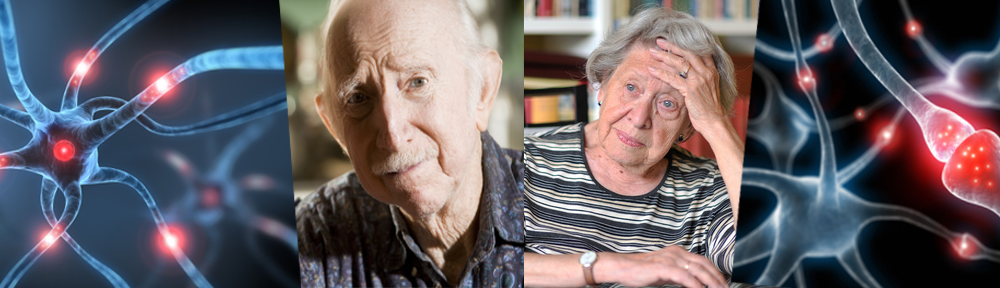
Alzheimer’s scrambles memories while the brain rests

New findings reveal a subtle but powerful breakdown that may help explain early memory loss in Alzheimer’s.

When the brain rests, it usually replays recent experiences to strengthen memory. Scientists found that in Alzheimer’s-like mice, this replay still occurs — but the signals are jumbled and poorly coordinated. As a result, memory-supporting brain cells lose their stability, and the animals struggle to remember where they’ve been.

Read it all HERE

Scientists Uncover a Hidden Early Stage of Alzheimer’s That They Can Stop

Scientists at Tokyo Metropolitan University have turned to polymer physics to better understand one of the defining features of Alzheimer’s disease: the formation of tau protein fibrils. Their research shows that these fibrils do not form directly. Instead, tau proteins first gather into large clusters, similar to how polymers begin to crystallize. When researchers disrupted these early clusters, fibrils failed to develop in solution.

This finding points to a major shift in how future treatments for neurodegenerative diseases might be designed.

Read the article HERE

Common Bacteria Discovered in the Eye Linked to Cognitive Decline

Chlamydia pneumoniae—a common bacterium that causes pneumonia and sinus infections—can linger in the eye and brain for years and may aggravate Alzheimer’s disease, according to a study from Cedars-Sinai. Published in Nature Communications, the discovery suggests this bacterium can amplify Alzheimer’s disease and points to potential interventions including inflammation-limiting therapies and early antibiotic treatment.

Read the full article HERE

Why people can have Alzheimer’s related brain damage but no symptoms?

Some people don’t develop dementia despite showing signs of Alzheimer’s disease in their brain, and we’re starting to understand why

Some people develop Alzheimer’s-related brain changes without experiencing symptoms of the disease, such as memory loss. We don’t know exactly why this occurs, but two recent studies are inching us closer towards an answer, with scientists revealing that these people have unusual changes in their brain that may shield them from cognitive decline.

Read the rest of the story HERE