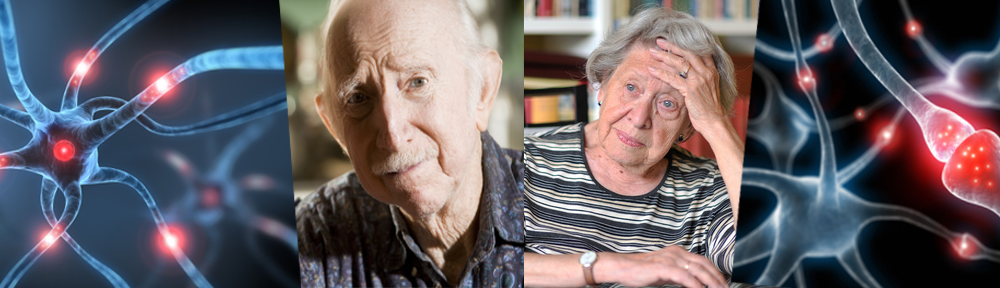
Early Alzheimer’s increased connectivity lowered by cancer drug in the lab

Published in Translational Psychiatry, the study then demonstrated that a cancer medication has the potential to reverse this early-stage hyperconnectivity.

The research, conducted in brain cells of rats, showed that low levels of the protein amyloid-beta could induce hyperconnectivity and this pattern closely resembled changes seen in the brains of people of people with Mild Cognitive Impairment. Amyloid-beta is thought to be instrumental in Alzheimer’s disease, where it creates plaques – or sticky clumps of amyloid-beta proteins – around the neurons.

These new findings suggest that low levels of amyloid-beta alone are enough to trigger early, disease-relevant changes in how brain cells connect.

Read it HERE

Researchers explore surgical treatment’s potential in Alzheimer’s

Researchers are calling for more studies to determine whether lymphovenous anastomosis (LVA), a surgical procedure that helps clear molecular waste from the brain, might benefit people with Alzheimer’s disease.

“LVA represents a novel therapeutic strategy that may complement existing treatments, offering new hope for addressing the [disease biology] of [Alzheimer’s disease]. Through collaborative, long-term clinical trials, LVA may emerge not only as an adjunct to current [Alzheimer’s] therapies but also as a potential treatment avenue for other neurodegenerative diseases,” Khong Yik Chew, MD, a senior consultant at Singapore General Hospital, said in a press release.

Read more HERE

Scientists reverse Alzheimer’s in mice and restore memory

Alzheimer’s has long been considered irreversible, but new research challenges that assumption. Scientists discovered that severe drops in the brain’s energy supply help drive the disease—and restoring that balance can reverse damage, even in advanced cases. In mouse models, treatment repaired brain pathology, restored cognitive function, and normalized Alzheimer’s biomarkers. The results offer fresh hope that recovery may be possible.

Read it HERE

The new pathway from the scavenger protein that cleans neurons

Like in a big city. In our organism, if the collection of waste is blocked, it accumulates. If the lack of cleanliness affects the nerve cells, of course, this can have repercussions. So what? Then it makes sense to rely on those who naturally help certain neurons to eliminate the tau protein, which is linked to Alzheimer’s disease and other neurodegenerative disorders.

The ‘scavenger’ protein is produced as a result of instructions in the DNA gene that, in turn, stimulates the production of a kind of invisible protein ‘tag’ (CRL5SOCS4) for tau.

Read more HERE

How to reverse early dementia symptoms — by a neuroscientist

After being told they were in the early stages of Alzheimer’s disease, some of Dr Majid Fotuhi’s patients were preparing to put their affairs in order. Then his advice changed everything for them. 

One of the leading neuroscientists in America, Fotuhi, 63, fled post-revolutionary Iran for Canada in 1982, before moving to the US and completing his PhD in neuroscience at Johns Hopkins University. He attended Harvard Medical School, returning to Johns Hopkins for his neurology residency. There, in the early 2000s, that he began to question the prevailing orthodoxy. 

He realised that many people were being diagnosed with Alzheimer’s who didn’t yet need to be. “They had treatable conditions that were contributing to cognitive decline, yet their problems were being put down to plaques and tangles,” he says.

Read more HERE