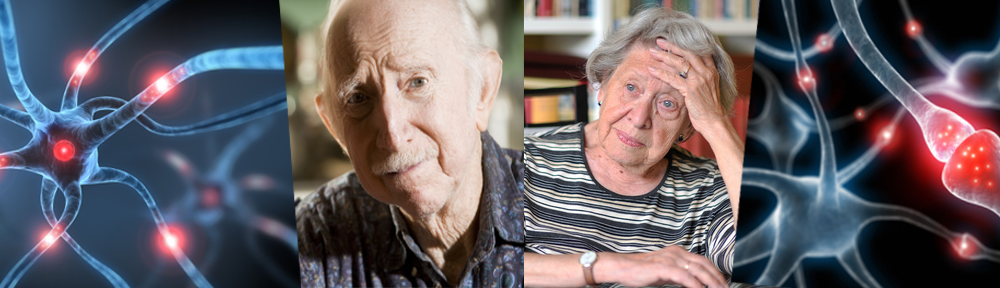
Alzheimer Diagnosis Possible With Scan

News from the web:

A much-anticipated test developed by Eli Lilly LLY +0.05% & Co. that detects the presence of proteins in the brain that are related to Alzheimer’s disease was approved Friday by the Food and Drug Administration.

A much-anticipated test developed by Eli Lilly that detects the presence of proteins in the brain that are related to Alzheimer’s disease was approved Friday by the FDA . Shirley Wang has details on Lunch Break.

The tool could enable clinicians to detect Alzheimer’s earlier and more accurately in patients at the earliest sign of memory problems—a potential boon to treatment and developing drugs against the disease.

The test uses a chemical called florbetapir, known by the brand name Amyvid, which is a radioactive agent that tags clumps of a sticky substance called an amyloid. Amyloid proteins are hallmarks of Alzheimer’s disease. The chemical, which costs $1,600 per dose, then is detected using a brain imaging technique called positron emission tomography, known as PET scans.

Read all about it HERE

visit us at AlzheimerHeadlines.com

New Gene Thought to Be Cause in Early-Onset Forms of Alzheimer’s Disease

News from the web:

A new gene that causes early-onset of Alzheimer’s disease has been discovered by the research team of Dominique Campion at the Insert unit 1079 “Genetics of cancer and neuropsychiatric diseases” in Rouen. The research scientists showed that in the families of 5 of 14 patients suffering from the disease, mutations were detected on the gene SORL1. This gene regulates the production of a peptide involved in Alzheimer’s disease.

Read all about it HERE

visit us at AlzheimerHeadlines.com

Alzheimer’s and brain deposits: Researchers study connections

News from the web:

With recent studies focusing more attention on memory loss, there is concern among Baby Boomers. However, some hopeful news has been emerging on the important topic of brain amyloid (protein deposits).ScienceDaily (Mar. 30, 2012) noted in reporting about amyloid beta in the brain of individuals with Alzheimer’s disease that although “there may not be a consensus as to whether the deposition contributes to the disease or is a consequence of the disease, there is agreement that it is not favored thermodynamically, meaning that something else is promoting the process.”Amyloid beta in the brain of individuals with Alzheimer’s disease

Read all about it HERE

visit us at AlzheimerHeadlines.com

Antibiotics for Alzheimer’s?

News from the web:

Researchers believe they have gained key insights on the development and progression of Alzheimer’s disease.

The findings could lead to the development of antibiotic treatments that could prevent the onset of the devastating illness.

Investigators have learned that a key protein, called a tau-protein, transforms from being a critical component of normal brain function to a sinister malformed villain that destroys brain cells.

Researchers at Beth Israel Deaconess Medical Center (BIDMC) developed the technology that distinguishes the two tau isoforms — one healthy and one disease-causing. Their research shows that only the disease-causing isoform is found in the neurons of Alzheimer’s patients and is exhibited at a very early stage of disease.

Read all about it HERE

visit us at AlzheimerHeadlines.com

Vascular Dementia and Alzheimer’s Disease: Need to Study these Brain Illnesses

News from the web:

Following Alzheimer’s disease, Vascular dementia is another common cause of dementia. It is hard to believe for any individual that he is suffering from such a disease which makes him forget even his own home and family. In UK, around 200,000 people are affected by this disease. But experts still have to find out the reason behind the occurrence of this illness. The origins of vascular dementia are still unknown to them.

Read all about it HERE

visit us at AlzheimerHeadlines.com

Treating Alzheimer’s Disease: A Role for the FKBP52 Protein

News from the web:

New research in humans reveals that the so-called FKBP52 protein may prevent the Tau protein from turning pathogenic. This may prove significant for the development of new Alzheimer’s drugs and for detecting the disease before the onset of clinical symptoms.

A study published online March 21 in the Journal of Alzheimer’s Disease, for the first time demonstrates that the FKBP52 protein, discovered by Prof. Etienne BAULIEU twenty years ago, may prevent hyperphosphorylation of Tau protein, which has been shown to characterise a number of cerebral neurodegenerative diseases, including Alzheimer’s Disease (AD).

This work has been carried out by Professor Etienne Baulieu and his research team at Inserm (National Institute for medical research in France) with the support of philanthropists who help the Institut Baulieu, based in France.

Read all about it HERE

visit us at AlzheimerHeadlines.com