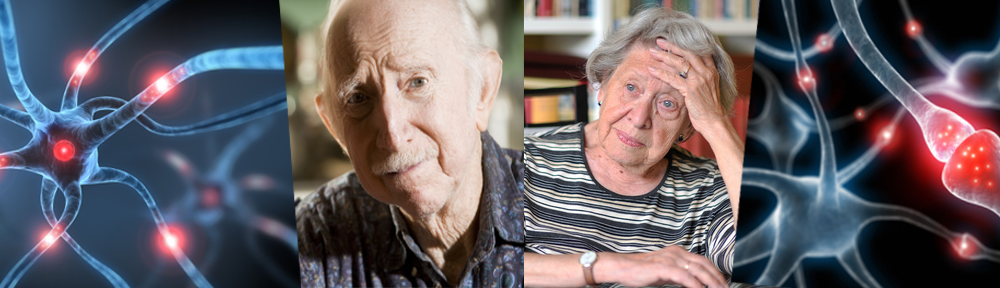
We are making progress in Alzheimer research

Alzheimer; News from the web:

The hope that Alzheimer’s will one day be curable has in recent yearsfaded to a flicker as successive clinical trials ended in failure. But the prospect of a treatment this week grew a little brighter as scientists uncovered a new and unexpected explanation for the development of the disease.

Read all about it HERE

Alzheimer on the road

Alzheimer; News from the web:

Women who find it difficult to think and move at the same time, an ability required to perform everyday tasks such as driving a car are at a higher risk of contracting Alzheimer’s disease, suggests a new study.

The researchers at York University in Canada found a link between performance in such tasks and a communication problem between different brain regions that promote simultaneous thinking and moving.

The study, focused on women, was published in the Journal of Alzheimer’s Disease.

Read all about it HERE

A reversal of brain damage caused by Alzheimer

Alzheimer; News from the web:

More news on the great trial from Biogen:

A new Alzheimer’s drug that reverses the damage the disease causes in patients’ brains could ‘change the landscape’ of future treatment, according to researchers.

It has already performed so well at early-stage trials involving people living with the disease in the United States that scientists are now in talks aimed at leapfrogging the usual second stage and fast-tracking it for larger trials.

Pharmaceutical firm Biogen, which developed the drug, called aduncanumab, wants to recruit at least 1,000 patients for tests by the end of the year.

Read all about it HERE

Diets that will lower your risk of getting alzheimer

Alzheimer; News from the web:

The scientists at Rush University have developed a diet that can reduce your risk of contracting alzheimer by 53%. Two other diets have also shown to be effective.

Read all about it HERE and more HERE

from the press release:

The MIND diet has 15 dietary components, including 10 “brain-healthy food groups” — green leafy vegetables, other vegetables, nuts, berries, beans, whole grains, fish, poultry, olive oil and wine — and five unhealthy groups that comprise red meats, butter and stick margarine, cheese, pastries and sweets, and fried or fast food.

With the MIND diet, a person who eats at least three servings of whole grains, a salad and one other vegetable every day — along with a glass of wine — snacks most days on nuts, has beans every other day or so, eats poultry and berries at least twice a week and fish at least once a week and benefit. However, he or she must limits intake of the designated unhealthy foods, especially butter (less than 1 tablespoon a day), cheese, and fried or fast food (less than a serving a week for any of the three), to have a real shot at avoiding the devastating effects of AD, according to the study.

Berries are the only fruit specifically to make the MIND diet. “Blueberries are one of the more potent foods in terms of protecting the brain,” Morris said, and strawberries have also performed well in past studies of the effect of food on cognitive function.