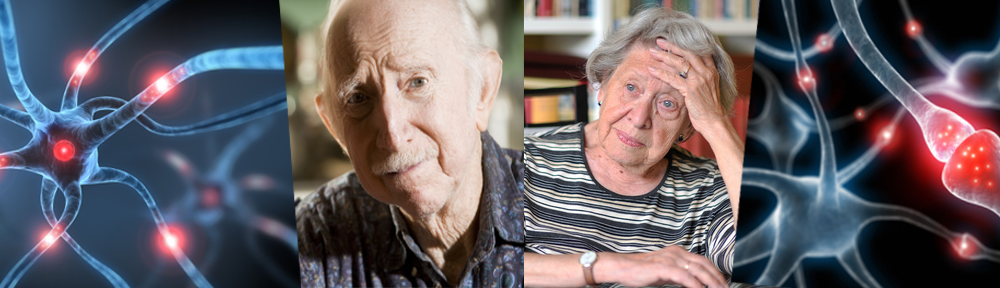
‘Potentially Scary’ Link Between Alzheimer’s, Nose Picking Revealed

Researchers are investigating a “potentially scary” link between nose picking and Alzheimer’s disease.

Dirty fingers introduce bacteria into the nose, resulting in infections that could lead to crusting, tissue damage and nosebleeds and now scientists are testing the theory that trauma to the nasal lining may transmit germs to the brain, possibly resulting in inflammation and amyloid plaques being formed, in line with the progressive neurodegenerative condition. Researchers have never been able to pinpoint the exact cause of Alezheimer’s which gradually impairs various brain function such as memory, thinking, reasoning and judgment, and some have shifted their focus to the crucial nose-brain axis, the pathway between the nasal cavity and central nervous system.

Read the full story HERE

new study is first step in reversing Alzheimer’s

A diagnosis of Alzheimer’s changes everything.

The brain function begins to decline until it just doesn’t work anymore.

It’s a slow decline that takes a toll not only on the patient but the people who love them.

A new study from a team at University Hospitals hopes to be a first step in reversing the disease. It all started with research in one one of the leading risk factors for Alzheimer’s: traumatic brain injury.

Read all about it HERE

Could Existing Drugs like Viagra Treat Alzheimer’s Disease?

At the start of the COVID-19 pandemic, scientists raced to find treatments for the SARS-CoV-2 virus. When they screened thousands of existing drugs to see if they interfered with the virus, an Ebola drug called remdesivir emerged as one of several antivirals worth further testing. 

Clinical trials quickly followed, finding that remdesivir provided modest recovery benefits for high-risk and hospitalized patients, culminating in approval by the end of 2020. 

Neuroscientists are borrowing from the same playbook to accelerate the development of new Alzheimer’s treatments. Developing drugs from scratch often takes more than a decade and can cost billions. And in recent years, that’s only yielded two disease-modifying therapies for Alzheimer’s: Leqembi and Kisunla,. 

With many experimental dementia drugs failing late in clinical trials, repurposing existing medications approved for other diseases provides another path toward finding new treatments. Because such drugs are already approved for other diseases, they have a well-established safety profile and can move straight to human trials. 

In recent years, this strategy has yielded a diverse array of promising hits, from Viagra to rheumatoid arthritis drugs. 

Read more HREAt the start of the COVID-19 pandemic, scientists raced to find treatments for the SARS-CoV-2 virus. When they screened thousands of existing drugs to see if they interfered with the virus, an Ebola drug called remdesivir emerged as one of several antivirals worth further testing. 

Clinical trials quickly followed, finding that remdesivir provided modest recovery benefits for high-risk and hospitalized patients, culminating in approval by the end of 2020. 

Neuroscientists are borrowing from the same playbook to accelerate the development of new Alzheimer’s treatments. Developing drugs from scratch often takes more than a decade and can cost billions. And in recent years, that’s only yielded two disease-modifying therapies for Alzheimer’s: Leqembi and Kisunla,. 

With many experimental dementia drugs failing late in clinical trials, repurposing existing medications approved for other diseases provides another path toward finding new treatments. Because such drugs are already approved for other diseases, they have a well-established safety profile and can move straight to human trials. 

In recent years, this strategy has yielded a diverse array of promising hits, from Viagra to rheumatoid arthritis drugs. 

Read more HERE

Lithium levels tied to Alzheimer’s disease and dementia

Alzheimer; News from the web:

Levels of lithium were significantly reduced in the prefrontal cortex of people with mild cognitive impairment and Alzheimer’s disease (AD).

In a mouse model of AD, a low-dose lithium salt in the diet reversed memory loss and prevented cognitive decline in aging mice.

While more study is needed, lithium replacement could be a potential approach to prevent and treat AD.

Read all about it HERE

Exercise targets specific brain cells to protect against Alzheimer’s

Alzheimer; News from the web:

Using advanced single-nuclei RNA sequencing (snRNA-seq) and a widely used preclinical model for Alzheimer’s disease, researchers from Mass General Brigham and collaborators at SUNY Upstate Medical University have identified specific brain cell types that responded most to exercise. These findings, which were validated in samples from people, shed light on the connection between exercise and brain health and point to future drug targets. Results are published in Nature Neuroscience. 

Read all about it HERE

Depression and Bipolar Disorder May Be Early Signs of Alzheimer’s

Alzheimer; News from the web:

Family members remember some of the early signs of Alzheimer’s in their loved ones quite well. This type of dementia often begins with struggles in communication, lapses in memory, and confusion around everyday problem-solving.

But scientists are now uncovering evidence of another early signal — mood disorders, like depression and bipolar disorder, that begin later in life. While a link between these conditions and Alzheimer’s has long been suspected, what’s been missing is a clear understanding of how the two connect in the brain.

That’s starting to change. A research team from Japan’s National Institutes for Quantum Science and Technology (QST) recently found significant amounts of tau protein — a hallmark of Alzheimer’s — in the brains of people with late-life mood disorders (LLMDs). Their study, published in Alzheimer’s & Dementia: The Journal of the Alzheimer’s Association, suggests that these psychiatric symptoms might serve as a warning sign for neurodegenerative disease.

Read all about it HERE