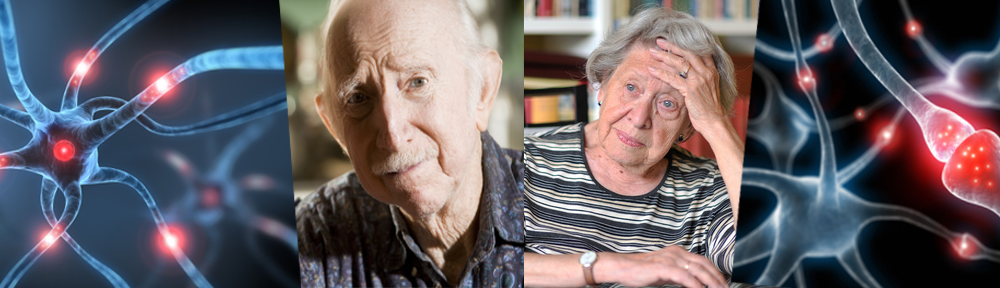
New research reveals the adult brain generates fresh nerve cells in the hippocampus, vital for memory. This ability declines in Alzheimer’s patients. Scientists observed this process in postmortem brain samples. Healthy older adults show continued neuron production.
Category Archives: Research
Nanoparticles reverse Alzheimer’s pathology in mice
A team co-led by UCL researchers has reversed Alzheimer’s disease pathology in mice using nanoparticles that help the brain to clear away toxic amyloid proteins naturally.
9 October 2025
A team co-led by UCL researchers has reversed Alzheimer’s disease pathology in mice using nanoparticles that help the brain to clear away toxic amyloid proteins naturally.

Unlike traditional nanomedicine, which relies on nanoparticles as carriers for therapeutic molecules, the approach utilised nanoparticles that are bioactive in their own right, known as “supramolecular drugs”. The work has been published in the journal Signal Transduction and Targeted Therapy.
Instead of targeting neurons directly, the therapy restores the proper function of the blood-brain barrier, the vascular gatekeeper that regulates the brain’s environment. By repairing this critical interface, the researchers achieved a reversal of Alzheimer’s pathology in animals.
The brain obtains its energy from a vast blood supply, supported by a unique and dense vascular system, where a single capillary nourishes each neuron.
Read more HERE
Pollution May Increase Risk For Alzheimer’s Disease, New Study Shows
A new study published in PLOS Medicine found that increased pollution exposure may be a key driver for risk of Alzheimer’s disease. In a study that examined nearly 27.8 million US Medicare beneficiaries aged 65 years and older over an 18 year time period, it was found that pollution exposure (measured by PM2.5) was associated with a significantly increased risk of Alzheimer’s disease. The research also found that pollution exposure is associated with an increased risk for the development of hypertension, depression and stroke, all of which are independent risk factors themselves for Alzheimer’s and dementia.
Read the full article HERE
Warning Sign That People Mistake For A Character Flaw, And It’s Actually Breaking My Heart
“The brain damage from Alzheimer’s makes people prone to agitation regardless of how loving caregivers are,” said Stefanacci, who also specializes in older populations and Alzheimer’s.
According to information the Alliance of Aging Research sent to HuffPost, “agitation” in this sense can present itself in a variety of ways: pacing, trying to leave, angry outbursts, profanity, hitting, mood swings, throwing items and more. Caregivers may blame themselves, AAR continued, thinking it’s a result of their burnout, introducing a new routine or not being patient enough.
Eyes May Be Window Into Alzheimer’s Long Before Irreversible Damage
Study of 27.8M Americans May Have Revealed Direct Alzheimer’s Cause
Scientists have just found a direct link between air pollution and Alzheimer’s disease—suggesting that improving air quality could be an important way to prevent dementia and protect older adults.
Alzheimer’s disease is the most common form of dementia, which affects about 57 million people worldwide, and there is currently no cure for it, making prevention is crucial.
Read more about this study HERE