Why some brains with Alzheimer’s stay sharp

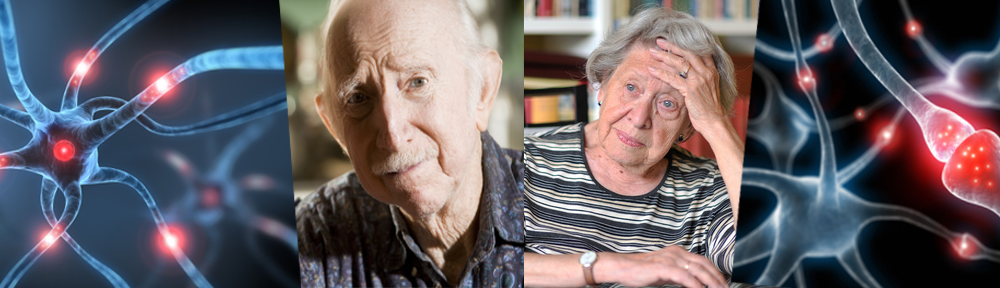
Researchers at the University of California San Diego have uncovered new insights into one of Alzheimer’s disease’s most puzzling questions: why some older adults remain mentally sharp despite having hallmark brain changes linked to the disease. This condition—known as asymptomatic Alzheimer’s disease (AsymAD )—has long been observed but poorly understood. Decoding this natural resilience could pave the way for earlier detection and new strategies to prevent memory loss before symptoms begin. The work is published in the journal Acta Neuropathologica Communications.

“Even when the brain shows clear signs of Alzheimer’s, some people stay mentally sharp,” said co-senior author Sushil K. Mahata, Ph.D., adjunct professor of medicine at UC San Diego School of Medicine and research physiologist at the VA San Diego Healthcare System. “We’re beginning to uncover the brain’s built-in defenses—and that could fundamentally change how we approach treatment.”

Read it HERE

Could Alzheimer’s Begin in the Nerves, Not the Brain?

New research suggests that the balance and walking issues associated with Alzheimer’s disease may not be “top-down” problems caused by brain decay, but rather “bottom-up” failures in the peripheral nervous system.

The study utilized “human-on-a-chip” technology to prove that genetic mutations for familial Alzheimer’s can damage the connection between nerves and muscles directly, independent of the brain or spinal cord.

Read it HERE

Can you have Alzheimer’s without symptoms?

More than 30% of adults over 70 have amyloid or tau (proteins implicated in the development of Alzheimer’s disease) in their brains yet have no apparent cognitive problems. This may indicate greater cognitive reserve, the brain’s ability to compensate for damage.

See more HERE

Alzheimer disease protection from the periphery

The apolipoprotein E ε3 Christchurch variant provides remarkable resilience against Alzheimer disease by limiting tau propagation and suppressing neuroinflammation. New research reveals that this protection extends to the periphery, where ‘lipid-loaded’ extracellular vesicles stabilize the blood–brain barrier, which offers a novel systemic mechanism for developing potent disease-modifying therapies.

Read more HERE (paywall)