this hidden nighttime disruption begins long before memory loss

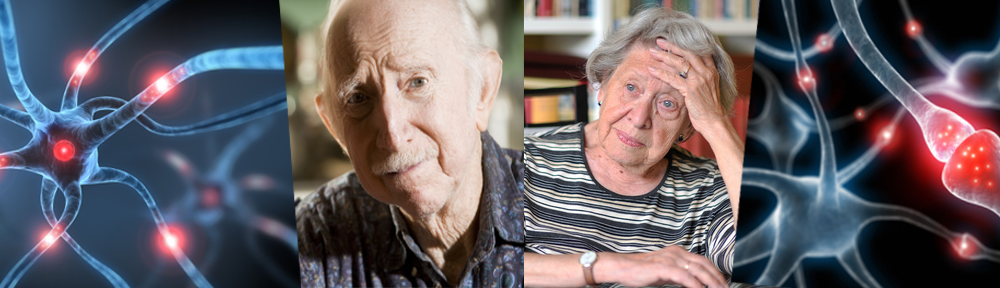
What if Alzheimer’s didn’t just erase memories — but also broke the brain’s sense of time? A team of American scientists has discovered that the disease throws off the brain’s internal clock, disrupting the rhythm of the cells responsible for clearing toxic amyloid plaques.

Read all about this new study HERE

New Alzheimer’s Breakthroughs Demand A New Definition Of Dementia-Friendliness

In October, Caring—an organization supporting caregivers of people with dementia—released its rankings of the most dementia-friendly states. Such reports are issued occasionally by various entities, and each uses its own definition of “dementia friendliness.” Caring’s rankings measure dementia’s prevalence within a state’s aging population, how many Alzheimer’s disease-related deaths occurred in the past five years, and how many memory care units a state has to place end-stage Alzheimer’s disease patients. In other words, the rankings capture the burden of disease and the availability of late-stage care—not the policies that determine whether people with dementia can access early detection, new treatments, or community services. As such, the rankings raise a bigger question: Is this definition of “dementia-friendliness” in step with the world we now live in?

Read it all HERE

how exercise protects the brain from Alzheimer’s disease

Recent research published in Nature Neuroscience provides a detailed cellular map of how physical activity remodels the brain to combat Alzheimer’s disease. By analyzing the genetic activity of individual brain cells, scientists have identified specific molecular pathways that exercise activates to protect memory centers. These findings offer a blueprint for developing future medications that could mimic the neurological benefits of a workout.

Read more HERE

A weak body clock may be an early warning for dementia

Your daily rhythm may matter more for brain health than previously thought. Older adults with weaker, more disrupted activity patterns were far more likely to develop dementia than those with steady routines. A later daily energy peak was also linked to higher risk. The study points to the body clock as a possible early warning sign for cognitive decline

Read more about it HERE

A brief digital cognitive test improves Alzheimer’s disease detection

Alzheimer; News from the web:

BioCog is a brief, self-administered digital test battery that helps to accurately detect cognitive impairment in primary care patients undergoing evaluation for a possible neurodegenerative disease. When combined with blood biomarker tests, the digital test outperformed current standard-of-care assessments of Alzheimer’s disease, supporting a more precise, efficient and timely diagnosis.

Read all about it HERE

Drugs for Alzheimer’s disease

Alzheimer; News from the web:

There is no cure for Alzheimer’s disease, but medication can help manage the condition. Currently, the main drugs used to treat Alzheimer’s are what’s known as symptomatic therapies, meaning they ease symptoms but don’t address the cause of the disease. These include cholinesterase inhibitors and memantine. A more recent entry into the field, lecanemab, may help slow the progression of the disease. Here’s a look at how these medications work.

Read all about it HERE