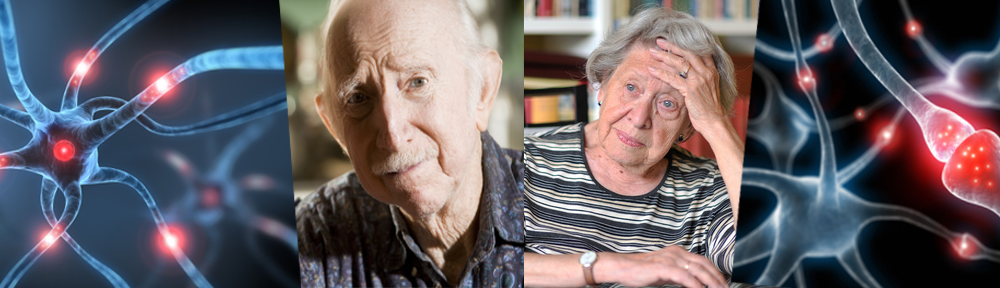
There is hope

Alzheimer; News from the web:

We now know early intervention could decrease the likelihood of more than one-third of dementia cases around the world. In fact, approximately 35% are attributed to nine modifiable risk factors, including high blood pressure, obesity and diabetes, hearing loss, smoking, depression, social interaction and lack of physical exercise. Therefore, monitoring which foods we eat, starting or continuing basic cardio and strength training programs, engaging the mind in the cognitive challenges and managing vascular risk factors all play demonstrable, critical roles in maintaining cognition before disease strikes.

Read all about it HERE

Risk of Alzheimer’s when it hits extended family members

Alzheimer; News from the web:

In line with previous studies, the researchers found that having one or more first-degree relatives with Alzheimer’s put people at significantly higher risk for the disease. People with one first-degree relative with Alzheimer’s were 1.73 times more likely to develop the disease. Looking further into the family tree, people with two first-degree relatives with Alzheimer’s were nearly four times more likely to develop the disease. Those with three first-degree relatives were nearly two-and-half more times likely, and those with four were almost 15 times more likely to develop Alzheimer’s disease.

Read all about it HERE

Mysterious dementia that mimics Alzheimer’s

Alzheimer; News from the web:


A newly described dementia strikes people in their last decades of life. The disease, aptly named LATE, comes with symptoms that resemble Alzheimer’s disease, but is thought to be caused by something completely different.

Read all about it HERE

Accelerating Alzheimer’s research

Alzheimer; News from the web:

story

A team of researchers at the Human Computation Institute and Cornell University seek to understand what causes a 30% reduction of blood flow to the brain in Alzheimer’s patients.

Preliminary findings from the Schaffer-Nishimura Biomedical Engineering Lab suggest that restoring blood flow to the brain could delay the onset of Alzheimer’s and restore cognitive functioning. But there is too much data to sift through, and the blood flow imagery is too subtle for most algorithms to classify into capillaries that are either flowing or stalled. So instead, citizen scientists are helping analyze the videos in a gamified effort called “Stall Catchers” — and, through this crowdsourcing effort, are doing so at a much faster rate than the lab.

Read all about it HERE

Play the game to help research HERE