Researchers in the department of genetics at the Yale School of Medicine have developed a technique that allows them to construct 3D brain organoids to better study Alzheimer’s disease.
Read the full story HERE
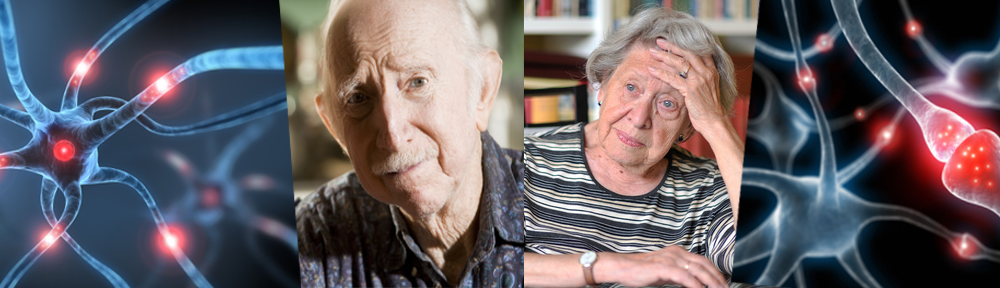
Researchers in the department of genetics at the Yale School of Medicine have developed a technique that allows them to construct 3D brain organoids to better study Alzheimer’s disease.
Read the full story HERE
America has an Alzheimer’s problem, devastating families and driving soaring healthcare costs.
More than 7 million people over 65 years old live with Alzheimer’s dementia today, a number predicted to double by 2050. Costs are staggering, by some estimates over $1 trillion per year, which may climb to $3 trillion by 2050, or 10% of our current GDP.
See the article HERE
Cleveland researchers achieve full cognitive recovery in mice, offering new hope for dementia patients.
Dr. Andrew Pieper, director of the Brain Health Medicines Center at University Hospitals and senior author of the study, emphasizes this represents a fundamental shift in understanding the disease. “The key takeaway is a message of hope – the effects of Alzheimer’s disease may not be inevitably permanent,” Pieper explained. “The damaged brain can, under some conditions, repair itself and regain function.”
See the full article HERE
Based on our past 30 years of research, we no longer think of Alzheimer’s as primarily a disease of the brain. Rather, we believe that Alzheimer’s is principally a disorder of the immune system within the brain.
The immune system, found in every organ in the body, is a collection of cells and molecules that work in harmony to help repair injuries and protect from foreign invaders.
When a person trips and falls, the immune system helps to mend the damaged tissues. When someone experiences a viral or bacterial infection, the immune system helps in the fight against these microbial invaders.
See the original article HERE
Alzheimer’s may be reversible if levels of a molecule known as NAD+ can be regulated in the brain, according to a researcher who helped test the approach in mice.
In a study published last month, scientists said they were able to use pharmacology to reverse advanced Alzheimer’s in mice that had been genetically programmed to develop the disease.
Researchers said they achieved this by stabilizing the levels of NAD+ (nicotinamide adenine dinucleotide) — an energy-producing chemical that is low in human Alzheimer’s patients — within the brains of lab animals.
Read the original post HERE
A study of 227 individuals who experienced neuro cognitive difficulties post COVID-19 infection – such as headaches, vertigo, balance dysregulation, changes in taste/smell, and brain fog – displayed a significant increase in their blood plasma of a crucial protein called tau, which is found in nerves and especially in the brain. Excess levels of tau are linked to neurodegenerative diseases and found in many Alzheimer’s patients.
Read more about this study HERE