Not amyloids but C1q

Alzheimer; News from the web:

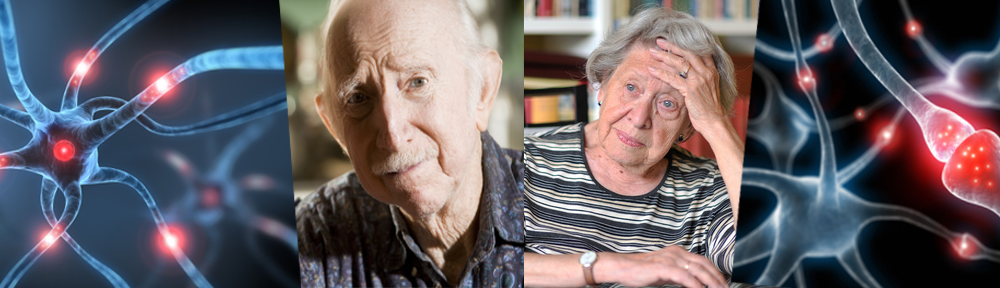
In a groundbreaking study from Stanford University School of Medicine, researchers detailed the significance of a protein called C1q, which was previously known as the initiator of the immune system response. After analyzing brain tissue in mice of varying ages, as well as postmortem samples of a 2-month-old infant and an elderly person, they discovered that C1q exponentially increases in the aging brain – creating as much as a 300-fold buildup. Comparatively, most age-associated increases of proteins in the brain are only three- or four-fold

Read all about it HERE

visit us at AlzheimerHeadlines.com

Alzheimer research Breakthrough

Alzheimer; News from the web:

A Lower Hutt team of researchers has made a significant contribution to the hunt for a treatment for Alzheimer’s disease.

Chemists at Callaghan Innovation (CI, formerly IRL Ltd), working from Gracefield, are the first in the world to find a way to synthesise a type of complex sugar that shows signs it could control the process that leads to the common brain disease.

Read all about it HERE

visit us at AlzheimerHeadlines.com

Alzheimer Museum

Alzheimer; News from the web:

Two museums in the Netherlands have developed a program for interactive visits by people with Alzheimer disease and their caregivers. A great program, that I have yet to visit, by lack of time. So as an idea, check out your local museum and see if they have anything lined up like this.

Read all about it HERE

visit us at AlzheimerHeadlines.com

Alzheimer drug reduces risk of heart attacks

Alzheimer; News from the web:

Professor Peter Nordstrom, of Umea University, Umea, Sweden, and colleagues reviewed records on 7,073 Alzheimer’s patients taking cholinesterase inhibitors (ChEIs), such as Donepezil, Rivastigmine and Galantamine, which are used for treating mild to moderate Alzheimer’s disease.

Prof Nordstrom said: “……It means that for every 100,000 people with Alzheimer’s disease, there would be 180 fewer heart attacks – 295 as opposed to 475 – and 1125 fewer deaths from all causes – 2000 versus 3125 – every year among those taking ChEIs compared to those not using them.” –

Read all about it HERE

visit us at AlzheimerHeadlines.com