Axovant’s trial results are the last major results to come out in 2017, with the next ones reading out in 2018 and a major wave of results expected in 2019.
Source: What Alzheimer’s disease drugs are in development next trial – Business Insider
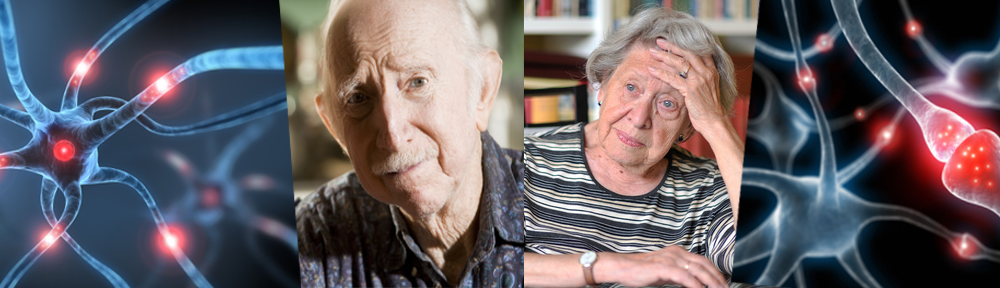
Source: What Alzheimer’s disease drugs are in development next trial – Business Insider
Alzheimer; News from the web:
The AARP notified me of two tests that may predict Alzheimer’s.
Read all about it HERE
Alzheimer; News from the web:
Fresh evidence that the body’s immune system interacts directly with the brain could lead to a new understanding of diseases from multiple sclerosis to Alzheimer’s.
A study of human and monkey brains found lymphatic vessels — a key part of the body’s immune system — in a membrane that surrounds the brain and nervous system, a team reported Tuesday in the online journal eLife.
Read all about it HERE
Alzheimer; News from the web:
Read all about it HERE
Alzheimer; News from the web:
Scientists have recently uncovered some surprising early symptoms, beyond memory loss or confusion while driving. Now, research published in the journal Annals of Neurology says that one marker for Alzheimer’s disease could be written all over your face, too.
Read all about it HERE
Alzheimer; News from the web:
To bolster the connections between benchside and bedside, the National Institutes of Health National Institute on Aging has awarded Rensselaer Polytechnic Institute a five-year $1.5 million training grant to support a new Alzheimer’s Disease Clinical and Translational Research Training Program. The program positions Rensselaer students to contribute to Alzheimer’s research by exposing them to a range of biotechnology and lighting research on neurodegenerative diseases, including a summer clinical rotation in medical research at the Icahn School of Medicine at Mount Sinai, with whom Rensselaer has an existing partnership.
Read all about it HERE