Alzheimer is not alone

Alzheimer; News from the web:

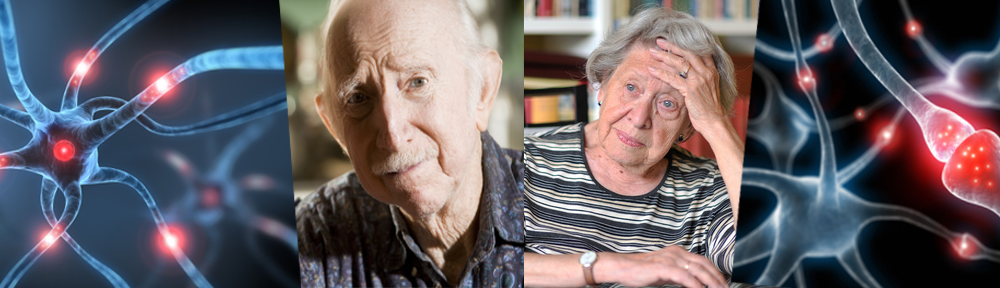
In fact there are dozens of brain wasting diseases but Alzheimer is the most known one. It is now the third cause of death in Washington. As our populations grows and lives longer, the number and percentage of people developing Alzheimer will grow too. And we have still no cure!

Read all about it HERE

Alzheimer research moving to humans

Alzheimer; News from the web:

At present, the analysis of tau proteins, one of the most active areas of Alzheimer’s research, often requires the use of hundreds of animals, is time consuming and expensive and can produce results that may not translate beneficially to humans.

The Aston Center for Healthy aging’s impending study will develop a research method based upon testing human stem cells instead of transgenic mice. It is hoped this new procedure will help scientists predict with greater accuracy the effectiveness of the latest drugs intended to combat the onset of Alzheimer’s.

Read all about it HERE

DDT and Alzheimer

Alzheimer; News from the web:

Jason Richardson, an associate professor at Robert Wood Johnson Medical School, said their research indicates DDT may be responsible for causing plaques to form in brain cells through its harmful byproduct dichlorodiphenyldichloroethylene, or DDE.

Read all about it HERE

Crazy? or is it early onset Alzheimer?

Alzheimer; News from the web:

A diagnosis of early-onset Alzheimer’s disease can be difficult to determine since each person is affected differently, and can have a variety of symptoms. Symptoms can be wrongly believed to be stress-related, for instance.

Read all about it HERE

The Alzheimer conundrum

Alzheimer; News from the web:

Here is an excerpt that highlights a new book that has been published, challenging lots of common thinking about Alzheimer.

The Alzheimer Conundrum is a gem for young scientists and medical students, and it will challenge them to step back from traditional models, standardised diagnostic procedures and disease specificity to adopt a broader philosophical approach: when is a disease not a disease? When is pathology normal and when does a natural entity become pathological? Lock draws her evidence from detailed scrutiny of the literature, coupled with interviews of researchers of renown in this field and from many disciplines. Although the book is well written, it will be best suited to scholars familiar with biological taxonomy: terms such as “cleavage”, “syndrome”, “precursor protein” and “dendrite” are used assuming that the reader requires no explanation.

Read all about it HERE